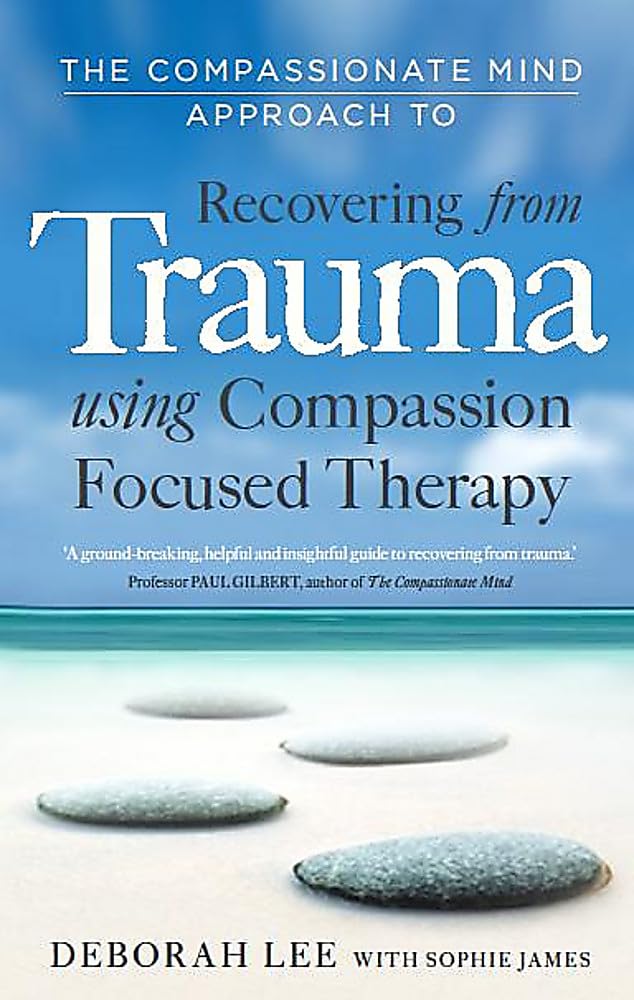
Terrible events are very hard to deal with and those who go through a trauma often feel permanently changed by it. Grief, numbness, anger, anxiety and shame are all very common emotional reactions to traumatic incidents such as an accident or death of a loved one, and ongoing traumatic events such as domestic abuse. How we deal with the aftermath of trauma and our own emotional response can determine how quickly we are able to ‘move on’ and get back to ‘normality’ once more. An integral part of the recovery process is not only recognising and accepting how our lives may have been changed but also learning to deal with feelings of shame – an extremely common reaction to trauma. “Recovering from Trauma” uses the groundbreaking Compassion Focused Therapy to help the reader to not only develop a fuller understanding of how we react to trauma, but also to deal with any feelings of shame and start to overcome any trauma-related difficulties.

The Body Remembers, Volume 2: Revolutionizing Trauma Treatment continues the discussion begun more than fifteen years ago with the publication of the best-selling and beloved The Body Remembers: The Psychophysiology of Trauma and Trauma Treatment. This new book is grounded in the belief that the most important goal for any trauma treatment is to improve the quality of life of the client. Therefore, the first prerequisite is that the client be reliably stable and feel safe in his or her daily life as well as the therapy situation. To accomplish this, Babette Rothschild empowers both therapists and clients by expanding trauma treatment options. For clients who prefer not to review memories, or are unable to do so safely, new and expanded strategies and principles for trauma recovery are presented. And for those who wish to avail themselves of more typical trauma memory work, tools to make trauma memory resolution even safer are included. Being able to monitor and modulate a trauma client’s dysregulated nervous system is one of the practitioner’s best lines of defense against traumatic hyperarousal going amok―risking such consequences as dissociation and decompensation. Rothschild clarifies and simplifies autonomic nervous system (ANS) understanding and observation with her creation of an original full color table that distinguishes six levels of arousal. Included in this table (and the discussion that accompanies it) is a new and essential distinction between trauma-induced hypoarousal and the low arousal that is caused by lethargy or depression.

Il riconoscimento del disturbo post-traumatico da stress quale entità diagnostica nella terminologia psichiatrica ha favorito lo sviluppo di ricerche sulle modalità con cui le persone reagiscono alle esperienze oppressive. L’evoluzione storica del concetto del trauma, le reazioni e gli adattamenti al trauma, il meccanismo della memoria, le questioni di natura evolutiva, sociale e culturale sono parti principali di questo volume all’interno del quale è confluito l’attuale sapere sugli effetti delle esperienze intollerabili sulla mente, sul corpo e sulla società. Integra la trattazione la rassegna critica dei contributi relativi alla prevenzione, alla diagnosi e al trattamento del disturbo post-traumatico da stress.
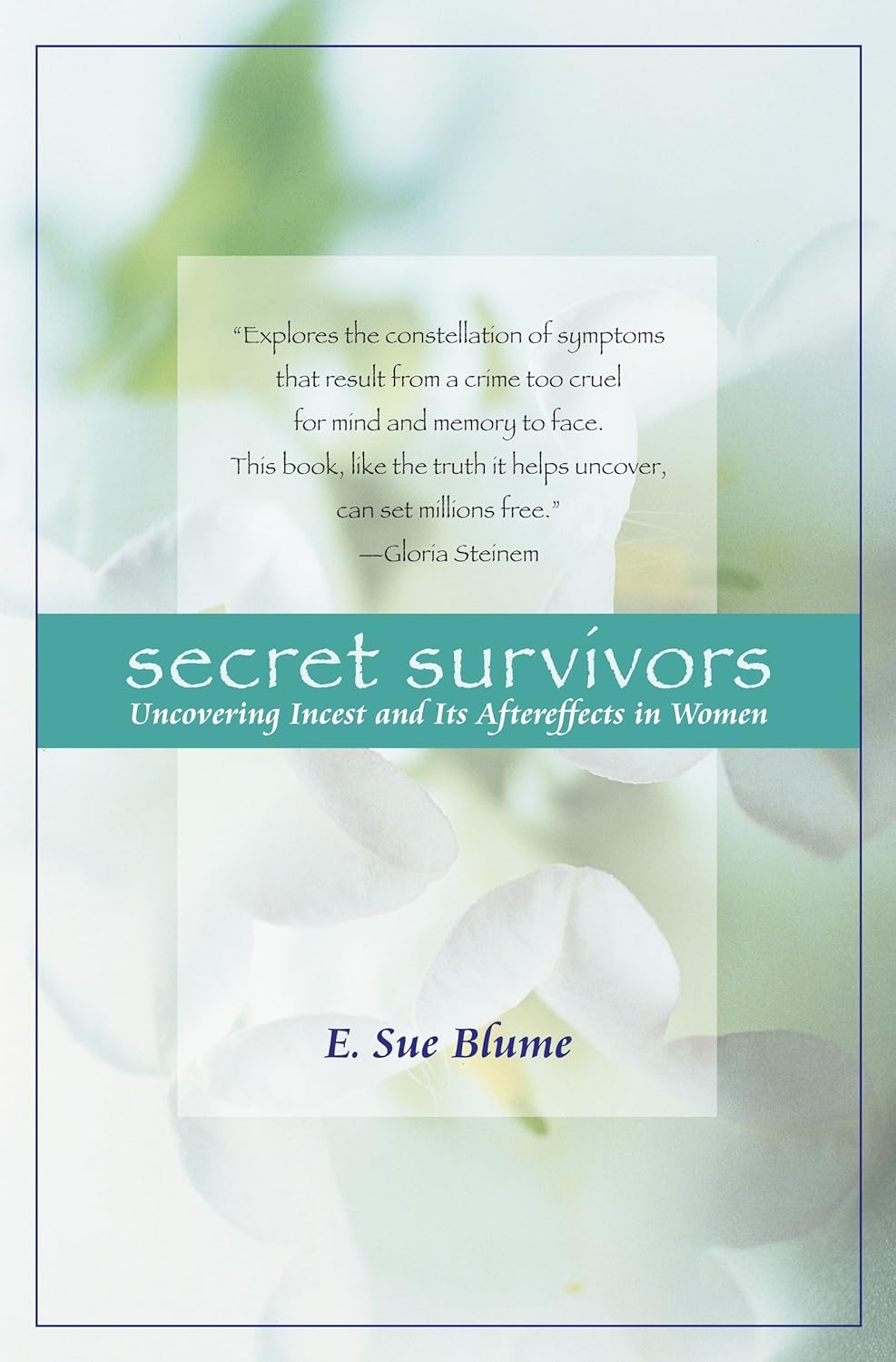
SECRET SURVIVORS is the first book to expand the definition of incest to include any adult abuser and to focus on what incest does to survivors. E. Sue Blume shows how incest is often at the root of such problems as depression, sexual and eating disorders, drug and alcohol abuse, and phobias and panic disorders. Using this information and the author’s guidance, survivors can identify themselves, develop alternative, nondestructive survival techniques and begin again on a new path toward a rich and empowered life.

From Simon & Schuster, this book provides the encouragement for today’s adults to help themselves overcome the impact of their tragic childhoods. In Repressed Memories the author uses case histories to end the victims’ apparent isolation and shows the way to increasing their self-esteem, enabling them to lead happier, more productive lives.
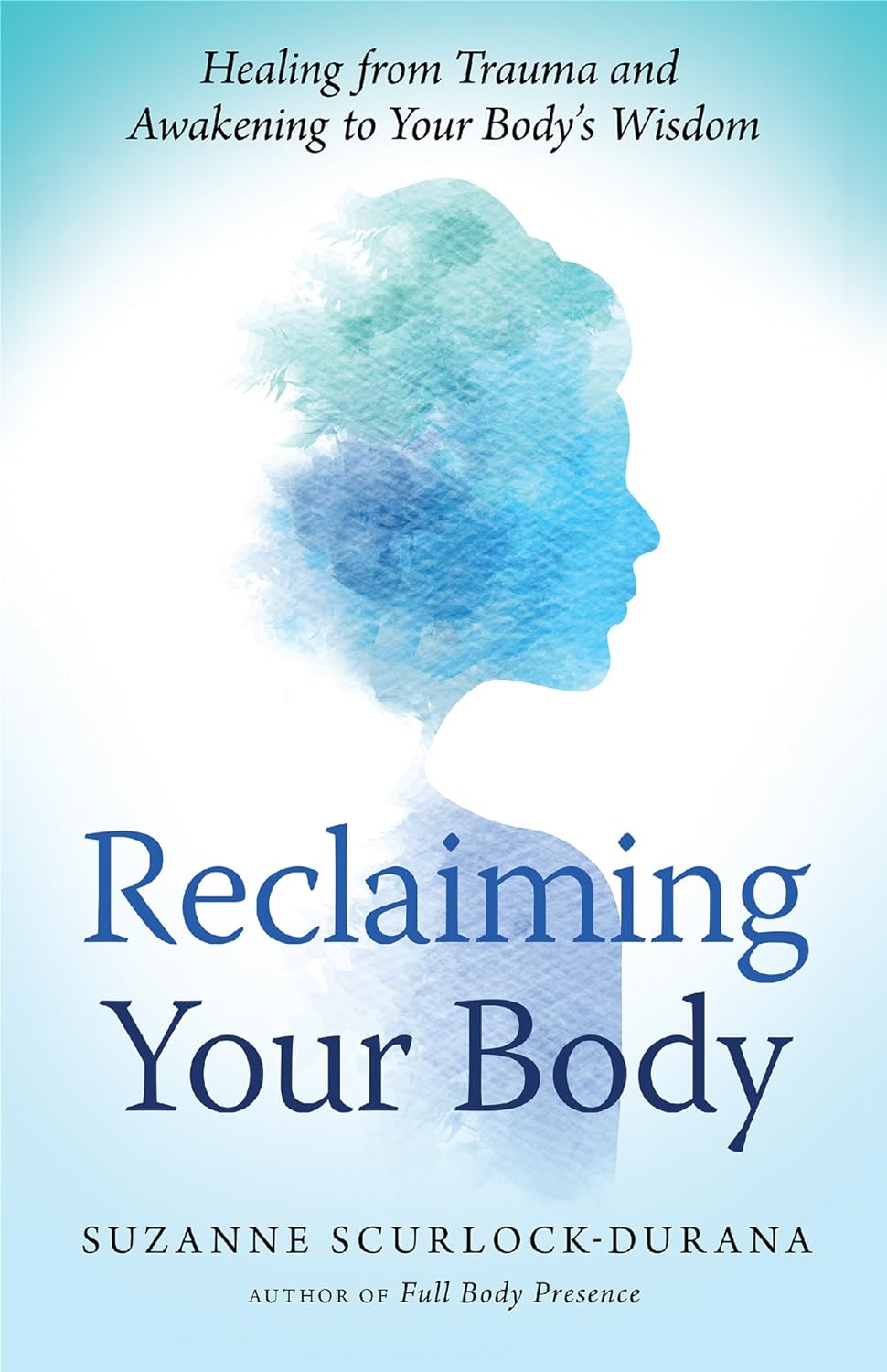
Many of us have learned to ignore, deny, or even mistrust the wise messages our bodies give us. The result is that when trauma strikes, a time when we need every aspect of our beings to master the challenge, we may find ourselves disconnected from our greatest strengths. Suzanne Scurlock-Durana, who has spent thirty years studying the gifts of the body and teaching thousands how to reclaim them, began to recognize this strength, which she likens to a GPS, when she herself experienced a life-threatening trauma. Here she walks readers through different areas of the body, revealing the wisdom they hold and how to reconnect with that wisdom. As she shows in this warm, compassionate book, the body’s abilities are always available; we must simply reconnect with them.
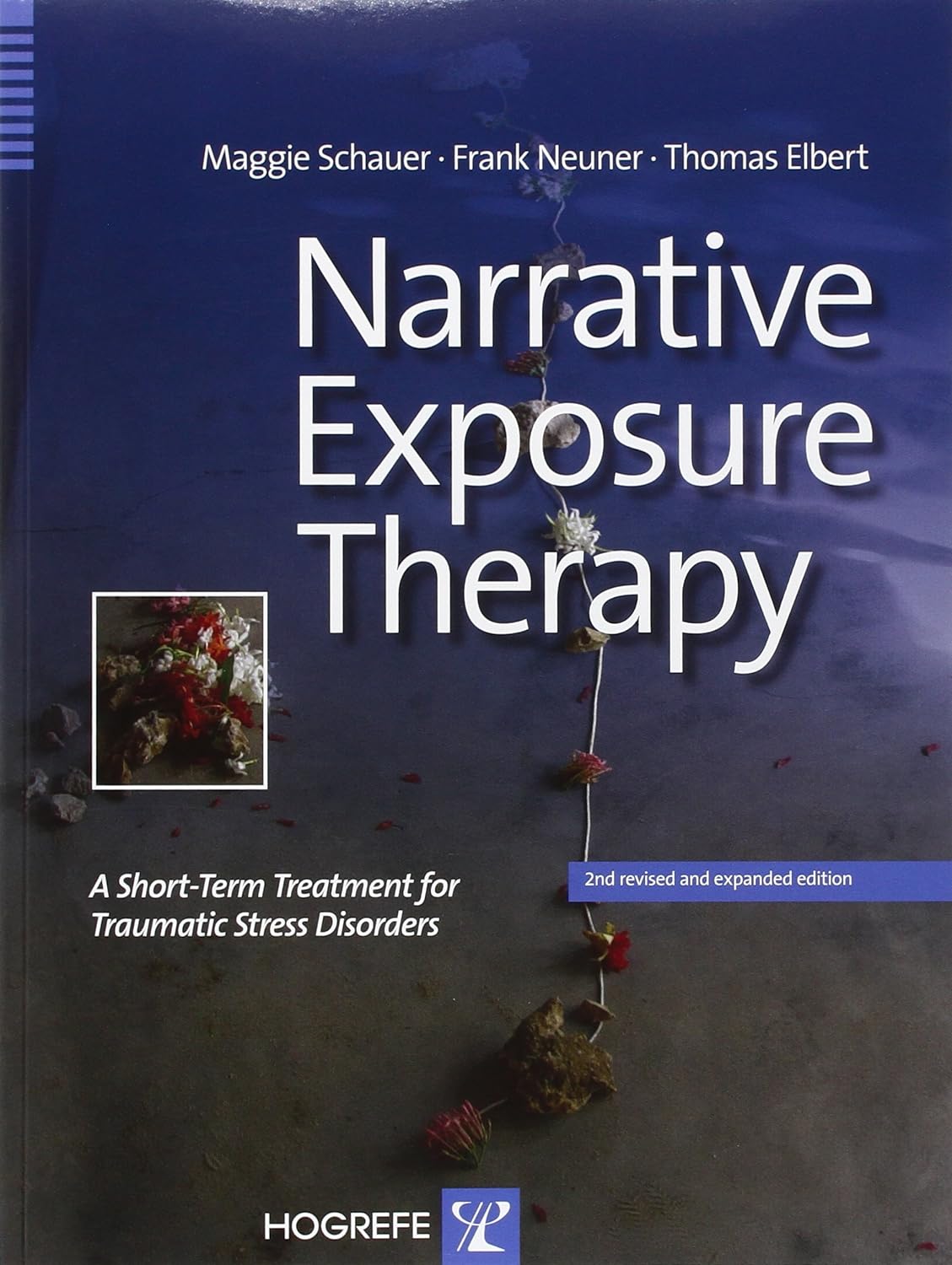
New edition of the Narrative Exposure Therapy manual, an effective, short-term, culturally universal intervention for trauma victims – including the latest insights and new treatments for dissociation and social pain. Narrative Exposure Therapy (NET) is a successful and culturally universal intervention for the treatment of survivors of multiple and severe traumatic events, such as organized violence, torture, war, rape, and childhood abuse. Field tests in contexts of ongoing adversity and disaster areas, as well as controlled trials in various countries, have shown that three to six sessions can be sufficient to provide considerable relief.

With Mothers Who Can’t Love: A Healing Guide for Daughters, Susan Forward, Ph.D., author of the smash #1 bestseller Toxic Parents, offers a powerful look at the devastating impact unloving mothers have on their daughters—and provides clear, effective techniques for overcoming that painful legacy. In more than 35 years as a therapist, Forward has worked with large numbers of women struggling to escape the emotional damage inflicted by the women who raised them. Subjected to years of criticism, competition, role-reversal, smothering control, emotional neglect and abuse, these women are plagued by anxiety and depression, relationship problems, lack of confidence, and difficulties with trust. They doubt their worth, and even their ability to love.
Forward examines the Narcissistic Mother, the Competitive Mother, the Overly Enmeshed mother, the Control Freak, Mothers who need Mothering, and mothers who abuse or fail to protect their daughters from abuse.
Filled with compelling case histories, Mothers Who Can’t Love outlines the self-help techniques Forward has developed to transform the lives of her clients, showing women how to overcome the pain of childhood and how to act in their own best interests.
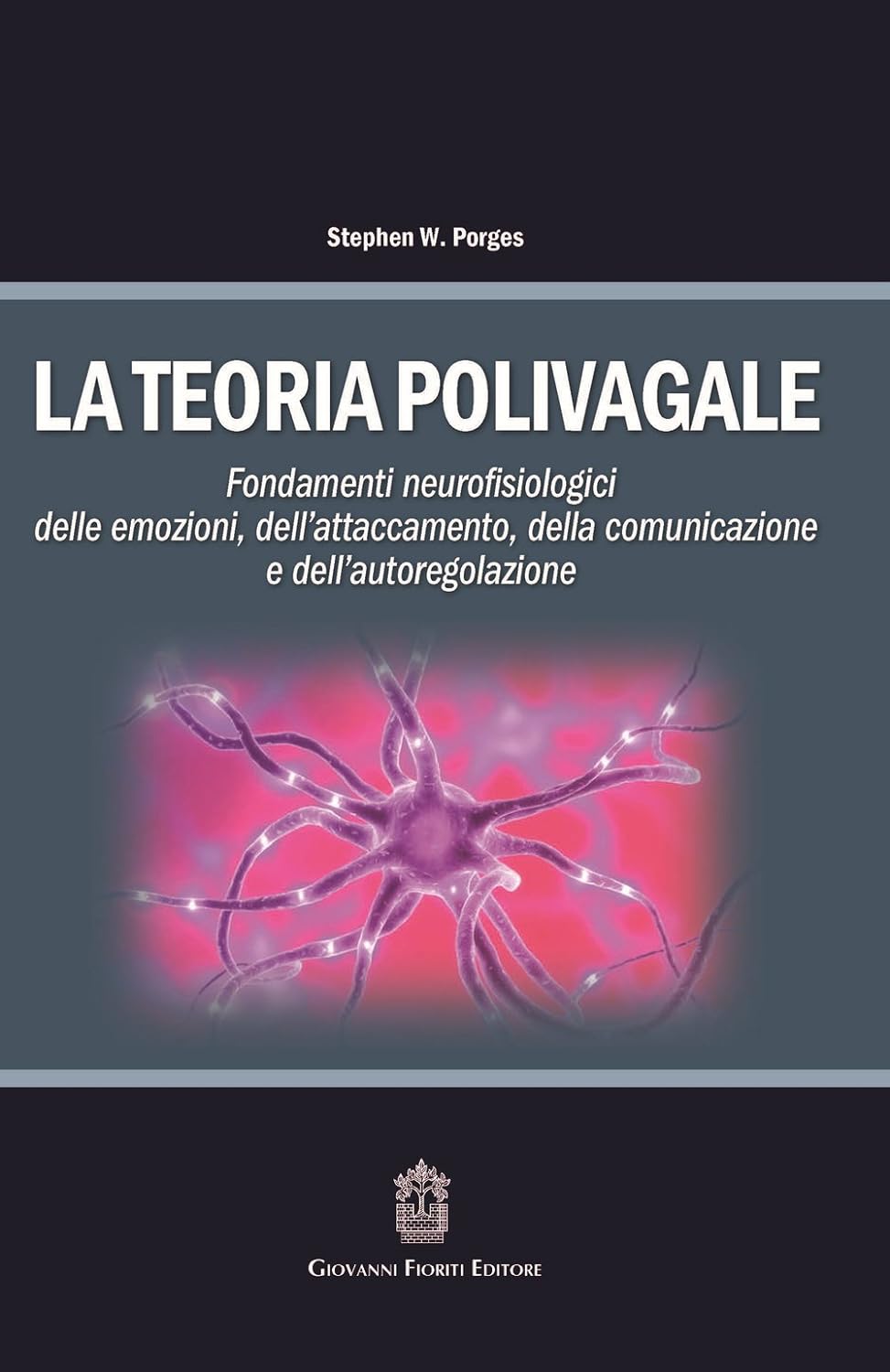
Questo libro presenta gli studi quarantennali di Stephen Porges sulla neurobiologia comportamentale delle emozioni, sulla regolazione degli affetti, sul comportamento sociale interpersonale e su altri processi psicologici che descrivono le esperienze umane di base. L’autore è uno dei principali ricercatori del sistema nervoso autonomo, un sistema neuronale che controlla in gran parte funzioni inconsce come il battito cardiaco, la respirazione e il comportamento sociale. Egli è anche l’ideatore della teoria polivagale, che sta avendo un grande successo fra i clinici di tutto il mondo per le sue folgoranti illuminazioni sul modo in cui il sistema nervoso autonomo influenza le nostre abilità sociali, le nostre convinzioni e la nostra vita intima.

Chi da piccolo è stato maltrattato e abusato dai genitori può amarli solo a patto di rimuovere le proprie autentiche emozioni. E dunque accade spesso che il corpo, rivoltandosi contro la negazione dei traumi infantili irrisolti, si ammali gravemente. In questo libro l’autrice interpreta i messaggi trasmessi dalla malattia e spiega per quale motivo rivivere l’esperienza delle emozioni negate consente di riconoscere la verità di quei messaggi. Un percorso intenso per indicare come uscire dal circolo vizioso dell’autoinganno e rispondere agli appelli del corpo liberandolo dai sintomi.

Il tempo non guarisce tutte le ferite. Anzi, se l’evento traumatico non viene adeguatamente rielaborato, il trascorrere del tempo ne ‘congela’ il ricordo nel cervello, generando reazioni automatiche di sofferenza e disagio. Lo sa bene chi, anche dopo molti anni, continua a provare la stessa rabbia, lo stesso identico dolore o rancore, come se il tempo non fosse mai passato. Secondo il modello EMDR (Eye Movement Desensitization and Reprocessing) le esperienze traumatiche possono arrivare a sopraffare il sistema di elaborazione adattiva dell’informazione, non consentendogli di fare i collegamenti interni necessari per giungere a una risoluzione interna delle esperienze stesse. L’EMDR tiene dunque conto di tutti gli aspetti di un’esperienza stressante o traumatica, cognitivi, emotivi, comportamentali e neurofisiologici, utilizzando i movimenti oculari o altre forme di stimolazione bilaterale allo scopo di ristabilire l’equilibrio eccitatorio/inibitorio, migliorando così la comunicazione tra gli emisferi cerebrali. La patologia viene in questo approccio considerata come informazione immagazzinata in modo non funzionale, mentre la salute mentale è definita come un equilibrio tra ricordi positivi, da un lato, ed esperienze negative correttamente rielaborate, dall’altro. Prefazione di Isabel Fernandez.
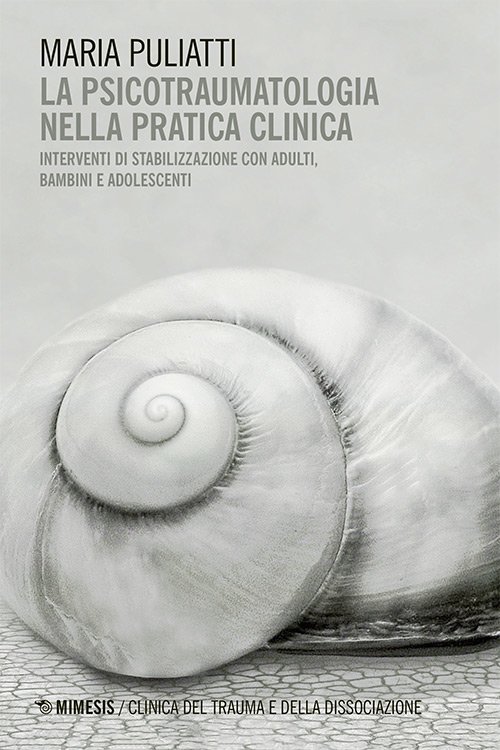
Nella psicoterapia in generale e in particolar modo in psicotraumatologia prima di entrare nel vivo della terapia è necessario lavorare sulla stabilizzazione psicofisiologica del paziente, intesa come l’apprendimento di strategie auto-regolatorie. L’obiettivo è riportare il paziente all’interno di una finestra di tolleranza emotiva, riducendo così la possibilità di stallo causato dalla comparsa di fenomeni di iper-attivazioni o ipo-attivazioni che possa sovrastarlo. Parte fondamentale della stabilizzazione è la psicoeducazione che permette al terapeuta di poter lavorare con i pazienti all’interno di una finestra sicura. Con questa finalità in questo libro saranno illustrati in modo prevalentemente pratico una serie di interventi clinici che saranno scelti e utilizzati a discrezione del clinico, quali ad esempio la mindfulness, tecniche di riorientamento e consapevolezza sensoriale, tecniche di grounding e autoregolazione, tecniche di respirazione e rilassamento. L’apprendimento di tecniche di gestione favorirà la percezione di auto-efficacia e al contempo la messa in sicurezza del paziente.