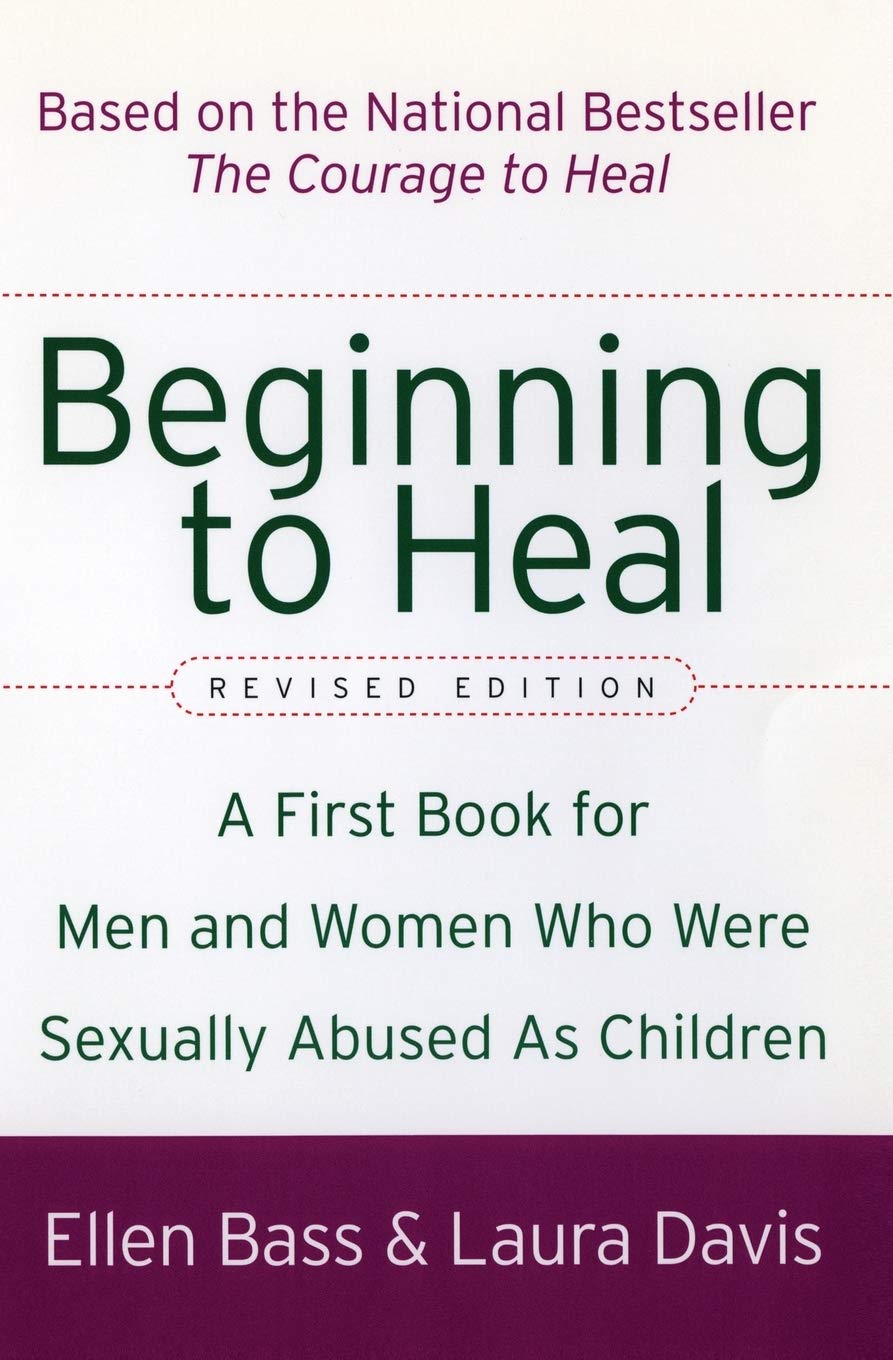
There’s nothing as wonderful as starting to heal, waking up in the morning and knowing that nobody can hurt you if you don’t let them. Beginning to Heal offers hope and guidance for all survivors starting the healing journey. No matter how great your pain today, you can not only heal but thrive. Based on the authors’ bestseller The Courage to Heal, this Revised Edition of Beginning to Heal takes you through the key stages of the healing process, from crisis times to breaking the silence, grief, and anger, to resolution and moving on. It includes inspirational highlights, clear explanations, practical suggestions, and compelling accounts of survivors’ pain, their strength, and their triumphs.
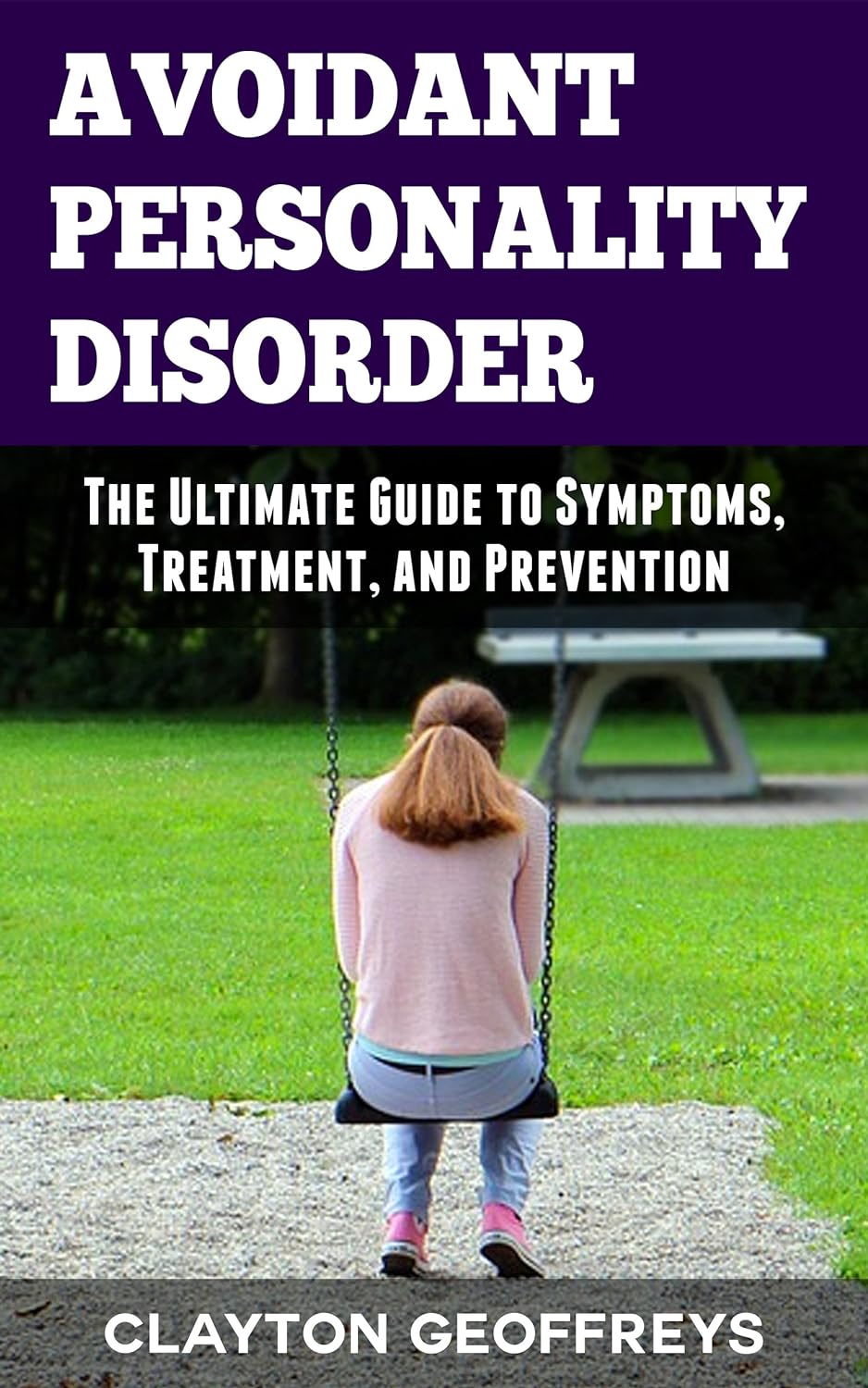
In Avoidant Personality Disorder: The Ultimate Guide to Symptoms, Treatment, and Prevention , you’ll learn about Avoidant Personality Disorder, and how it can impact a person’s life. This book covers a variety of topics regarding AvPD, including but not limited to feelings of low self esteem, self isolation, and discomfort in social situations. If you are looking for a book to better understand how to identify the causes of social anxiety or Avoidant Personality Disorder, we will explore it here.
After learning about the causes of AvPD, we’ll dig deep into treatment methods and different types of therapy that are available for those suffering from AvPD symptoms.
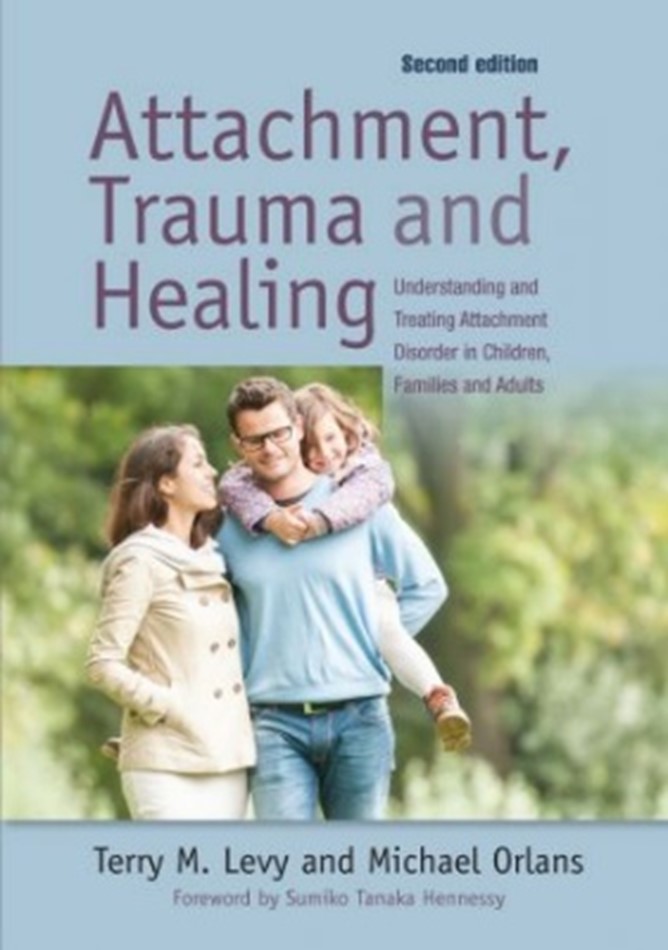
Now in a fully updated and expanded edition, Levy and Orlans’ classic text provides a comprehensive overview of attachment theory, how attachment issues manifest, and how they can be treated. The book covers attachment-focused assessment and diagnosis, specialised training and education for caregivers, treatment for children and caregivers and early intervention and prevention programmes for high-risk families. The authors explain their unique models of ‘corrective attachment therapy’ and ‘corrective attachment parenting’, and provide practical guidance on goals and techniques for clinicians who work with maltreated and attachment disordered children and families. This second edition incorporates advances in the fields of child and family psychology that have occurred since the book first published in 1998, with substantial new sections on interpersonal neurobiology, adult and couple treatment, the application of positive psychology. Clear, authoritative and skills-oriented, this is the essential guide to attachment for psychologists, social workers, clinicians, as well as foster and adoptive parents.
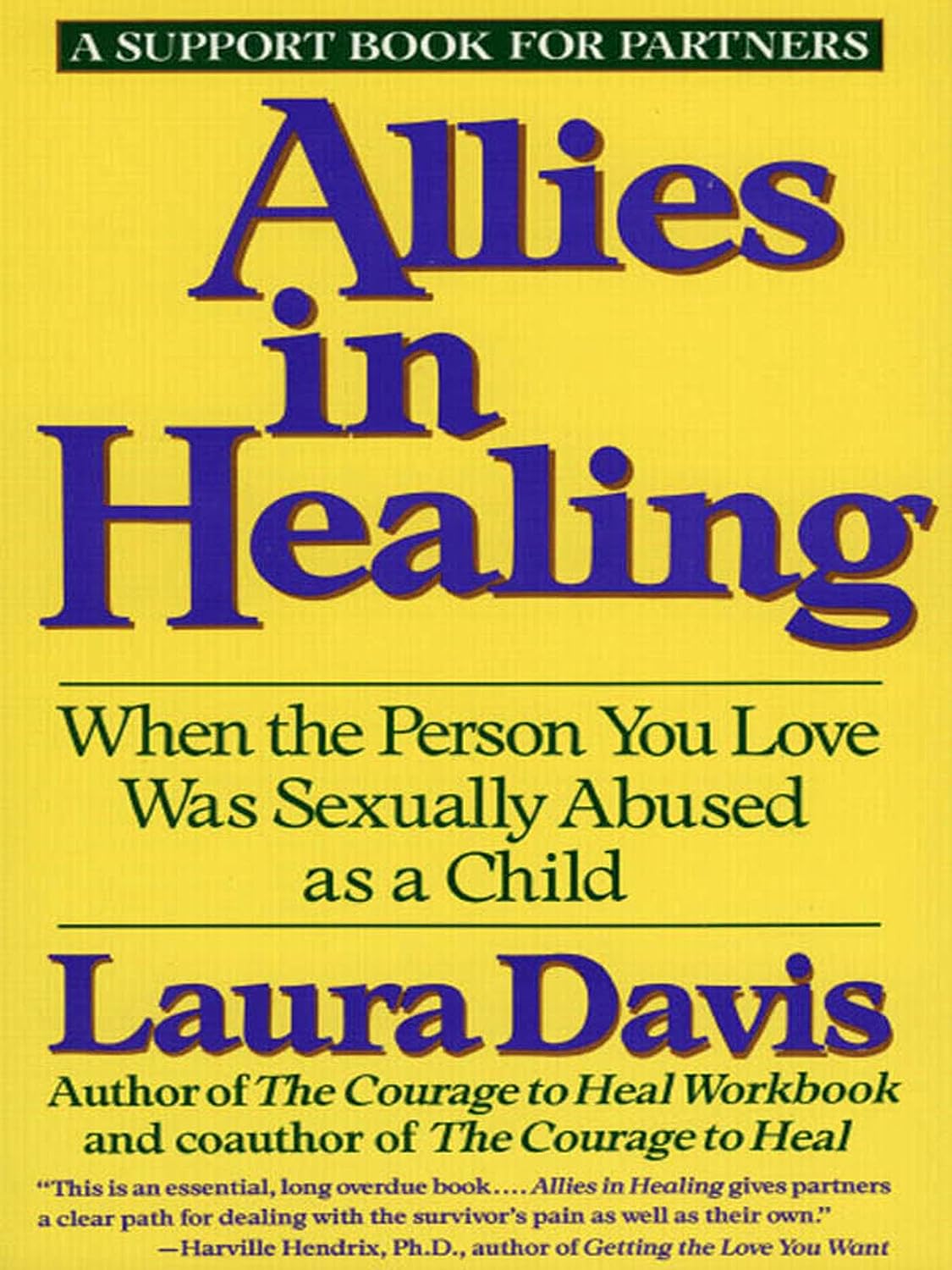
“But what about me?” “Is it possible to go one day without dealing with the survivor’s issues?” “Will we ever make love again?” “Will the survivor love me in the end?” “How do I know if I should throw in the towel?” Based on in-depth interviews and her workshops for partners across the country, Laura Davis offers practical advice and encouragement to all partners—girlfriends, boyfriends, spouses, and lovers—trying to support the survivors in their lives while tending to their own needs along the way. She shows couples how to deepen compassion, improve communication, and develop an understanding of healing as a shared activity. Addressing partners’ most important questions, Allies in Healing covers: The Basics—answers common questions about sexual abuse. Allies in Healing—introduces key concepts of working and growing together. My Needs and Feelings—teaches partners to recognize, value, and express their own needs. Dealing with Crisis—includes strategies for handling suicidal feelings, regression, and hopelessness. Intimacy and Communication—offers practical advice on dealing with distancing, control, trust, and fighting. Sex—provides guidelines for coping with flashbacks, lack of desire, differences in sexual needs, and frustration. Family lssues—suggests a range of ideas for interacting with the survivor’s family. Partners’ Stories—explores the struggles, triumphs, and courage of eight partners.
- Precedente
- Pagina 1
- …
- Pagina 5
- Pagina 6
- Pagina 7
- Pagina 8